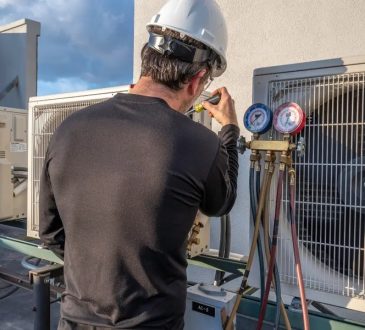
A heating bill on the peninsula is really a report card on the house, and most of the grades have little to do with the furnace. Damp crawlspaces, attic hatches nobody has lifted since the 1980s and gaps around plumbing pipes push warm air outside for the better part of the year. Some of the most practical thinking on Kitsat energy conservation comes out of a family business in Olalla that has paired BPI certified building science with its heating and cooling work since 2007, and its starting point is an assessment of the whole house rather than a quote for a new machine.
That order matters more than any single product. A tighter, drier, better insulated home needs less heat, which means any equipment bought later can be smaller and cheaper to run. So instead of a list of tips in no particular order, think of conservation as a ladder. Each rung costs a little more than the one below it, and skipping rungs is how people end up oversizing a heat pump for a house that leaks like a basket.
The Rung That Costs Nothing
Habits are free, and in a long marine heating season they add up. A few that consistently pay off in older peninsula homes are worth trying for one full billing cycle.
- Hold one steady thermostat setting instead of big swings, especially with a heat pump, which loses efficiency when it has to recover from a cold house.
- In homes with baseboard or wall heaters, turn down rooms you rarely use and keep those doors shut.
- Run bathroom fans for about twenty minutes after showers so moisture leaves before it settles into drywall and window frames.
- Close heavy curtains after dark and open south facing ones on the rare sunny winter afternoon.
- Set the water heater near 120 degrees, which is plenty for most households.
None of these changes the building itself, but they show you how responsive your bill really is before you spend a dollar.
A Weekend, a Caulk Gun and a Flashlight
Warm air rises and escapes through the top of the house, pulling cold air in through the bottom. Builders call this stack effect, and it explains why upstairs rooms feel stuffy while the floor stays cold. The cheapest fix is plugging the holes at the top.
Climb into the attic on a cool day and look for dark, dusty patches in the insulation. Those stains mark spots where indoor air has been filtering through for years, usually around plumbing vent stacks, wiring holes, old recessed lights and the top edges of interior walls. Foam and caulk seal most of them in an afternoon. The attic hatch deserves its own attention, since a bare plywood panel is effectively a hole in your ceiling. Weatherstripping around it and a rigid foam cover on top cost very little.
Downstairs, foam gaskets behind outlet covers on exterior walls and fresh weatherstripping on entry doors finish the job. If your home has ductwork in a crawlspace or attic, sealing joints with mastic rather than cloth tape often cuts losses noticeably.
Damp Ground Changes the Whole Equation
This is the rung most guides skip, and it matters enormously around Puget Sound. Many Kitsap homes sit over vented crawlspaces on wet soil. Without a solid vapor barrier on the ground, moisture rises into the floor framing all winter, sagging fiberglass batts soak it up, and wet insulation does almost nothing to slow heat loss.
Laying heavy polyethylene across the crawlspace floor, lapping and taping the seams, and rehanging or replacing fallen underfloor insulation can make floors feel warmer within days. It also protects the framing from mold and rot over the long term.
Tightening a house brings one responsibility with it. Less leakage means less accidental fresh air, so ventilation has to be deliberate. Washington’s building codes have required whole house ventilation in new homes for decades, and older homes benefit from the same idea. Bath and kitchen fans should vent outdoors rather than into the attic, and any home with a woodstove or gas appliance needs working carbon monoxide alarms and a combustion safety check after air sealing.
Insulation Is Where the Real Savings Live
Homes built around the 1970s often have thin attic insulation, sometimes R-19 or less, compressed and uneven after years of storage boxes and service visits. Current Washington energy code calls for far deeper attic coverage, roughly R-49 and up, which typically means blowing in loose fill over what is already there once the air sealing below is complete.
Walls are harder. Older 2×4 walls may be partly empty or filled with insulation that has settled, and dense packing through small exterior holes is a contractor job. A blower door test before and after shows exactly how much leakage you removed and helps decide whether the wall work is worth it for your house.
Windows Get More Credit Than They Earn
New windows feel like the obvious upgrade, yet per dollar they rarely beat the work described above. Even Washington’s own weatherization program is careful to point out that it is not a window replacement program and focuses instead on insulation, air sealing and ventilation. If your single pane windows are sound, interior storm panels and cellular shades capture much of the benefit for a fraction of the cost. Replacement makes more sense when frames are rotting or seals have failed and fogged.
Equipment Belongs at the Top of the Ladder
Only after the envelope work is done does it make sense to size new heating and cooling. A proper load calculation on a sealed and insulated house often lands well below the number the old system was built around, and a smaller ductless or ducted heat pump costs less to buy and runs more efficiently in its sweet spot. Heat pump water heaters are another strong fit for the region, especially in a garage or utility room where they can draw on mild indoor air.
Help exists at several levels. Income eligible homeowners and renters in Kitsap can apply for free weatherization through Kitsap Community Resources, and utility and state rebate programs change often enough that it is worth checking what is current before scheduling any work.
Climbing the ladder in order rarely feels dramatic. Nobody posts photos of a sealed attic hatch or a new crawlspace liner. But a house that holds its heat makes every later decision cheaper and easier, and on a peninsula where the heating season stretches across most of the year, that steady advantage keeps paying out long after the caulk has dried.