Buying a House in Austin, Texas? Why an Electrical Inspection Matters Even After the General Home Inspection
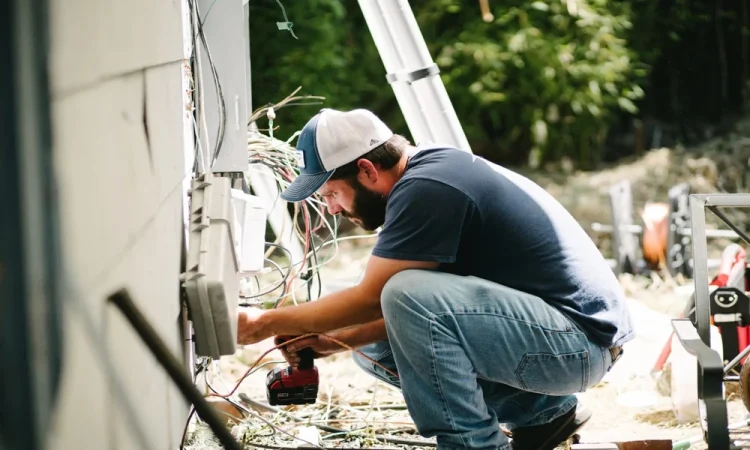
Buying a home in Austin, Texas, is exciting. Whether you are looking at a charming older house in Hyde Park, a remodeled property in South Austin, or a home in one of the growing neighborhoods around North Austin, there is a lot to think about before signing the final paperwork. You have probably checked the roof, foundation, plumbing, HVAC system, and other major components. You may have even hired a professional home inspector to help you understand the property’s condition.
But there is one part of the house that deserves a closer look before you commit: the electrical system.
Electricity is easy to take for granted when the lights turn on, the air conditioner runs, and the kitchen appliances work as expected. Unfortunately, a system that appears to function normally can still have hidden defects, outdated wiring, improperly installed breakers, or safety concerns that are not obvious during a general home inspection.
That is especially important when purchasing an older Austin home, buying a property that has undergone several renovations, or considering a house with visible electrical problems. What looks like a minor issue today could turn into an unexpected repair expense after closing.
An electrical inspection by a licensed electrician provides a more focused look at the home’s electrical components and can help buyers make informed decisions before taking ownership.
Why a General Home Inspection May Not Tell the Whole Story
A general home inspection is an important part of the home-buying process. Inspectors typically evaluate accessible portions of the home’s major systems, including electrical components. They may identify damaged outlets, missing cover plates, visible wiring concerns, or problems with the electrical panel.
However, a general inspection is not necessarily a comprehensive evaluation of every electrical component in the house.
Home inspectors typically work within a defined scope. They generally do not dismantle electrical equipment, open concealed walls, or perform every diagnostic test that a licensed electrician might consider necessary. The inspection may also be limited by inaccessible equipment, finished walls, stored belongings, or other conditions that prevent a closer examination.
For example, an outlet might appear perfectly normal while having a grounding problem. A breaker panel might have an organized appearance even though previous modifications were not performed correctly. A home may have enough power for its current occupants but lack the capacity or available circuit space for a planned kitchen renovation or electric vehicle charger.
These problems are not always apparent during a standard inspection.
A separate electrical inspection gives buyers an opportunity to investigate specific concerns more thoroughly. The electrician can examine accessible equipment, evaluate visible installation practices, and recommend additional testing or corrective work when appropriate.
This does not mean every general home inspection is inadequate. Rather, the two services have different purposes, and a closer electrical evaluation can be particularly valuable when the initial report identifies concerns or the property has an older or heavily modified electrical system.
What an Electrician Looks for Inside the Electrical Panel
The electrical panel is one of the most important places to evaluate when buying a home. It distributes electricity to the home’s individual circuits and contains protective devices designed to help prevent dangerous overloads and other electrical problems.
A panel may look clean and relatively modern while still containing installation defects. An electrician can look for warning signs that deserve further attention.
Double-tapped breakers and improper modifications
A double-tapped breaker occurs when two conductors are connected to a breaker terminal that is not listed or designed to accept both. Some breakers are specifically designed and listed for multiple conductors, so the arrangement must be evaluated according to the equipment manufacturer’s instructions and applicable electrical requirements.
When a breaker is not approved for the connection, the conductors may not be secured properly. That can contribute to loose connections, overheating, or other electrical hazards.
An electrician can determine whether the configuration is permitted and recommend an appropriate correction if necessary.
Other concerns may include improperly sized breakers, loose or damaged components, missing knockouts, incompatible replacement parts, crowded wiring, or modifications that do not comply with applicable requirements.
Signs of overheating or electrical damage
Heat can develop when connections are loose, circuits are overloaded, or equipment has deteriorated. An electrician may look for discoloration, melted insulation, damaged components, corrosion, unusual odors, or other visible evidence of overheating.
A warm or buzzing panel should not be ignored, particularly if the condition is accompanied by flickering lights, repeated breaker trips, or a burning smell.
Not every panel can be fully evaluated through a visual inspection alone. Depending on what is found, the electrician may recommend additional diagnostic work or a more detailed assessment of the equipment.
The panel’s age and condition
An older panel is not automatically unsafe, and age alone does not necessarily mean replacement is required. Its condition, type, installation, compatibility with replacement parts, and ability to provide appropriate protection all matter.
However, a panel with obsolete components, evidence of water intrusion, physical damage, or a history of improper modifications deserves careful attention.
Before purchasing a home, ask the electrician whether the panel appears serviceable, whether repairs are recommended, and whether replacement is justified by an identified defect or by your plans for the property.
A recommendation to replace an entire panel should come with a clear explanation of the reason, not simply an assumption that every older panel must be replaced.
Outdated Wiring, Ungrounded Outlets, and Unsafe DIY Repairs
The wiring hidden behind a home’s walls can be one of the most difficult parts of the electrical system for a buyer to evaluate.
Austin has homes of many different ages, from older properties near central neighborhoods to newer construction throughout the metropolitan area. A home’s age does not tell the entire story, but older wiring and years of remodeling can create questions worth investigating.
Outdated or deteriorated wiring
Depending on the property, an electrician may encounter older wiring methods, deteriorated insulation, damaged conductors, or previous repairs that require closer examination.
Some older wiring systems may still be in serviceable condition, while others may need repair, replacement, or additional safety measures. The appropriate response depends on the wiring type, its condition, the way it was installed, and the requirements that apply to the work.
A buyer should be especially cautious when a property has undergone multiple renovations without clear documentation of the electrical work.
A newly remodeled kitchen does not necessarily mean the wiring throughout the rest of the house has been updated.
Ungrounded outlets and damaged receptacles
Three-slot outlets are common in modern homes, but their appearance alone does not prove that they are properly grounded.
In some older houses, three-slot receptacles may have been installed without an equipment grounding conductor. This can create a false impression of protection, particularly when someone assumes the outlet is grounded simply because it accepts a three-prong plug.
An electrician can test accessible receptacles and determine whether the grounding arrangement is appropriate.
Other warning signs include cracked receptacles, loose outlets, scorch marks, missing cover plates, damaged switches, or plugs that repeatedly fall out of their sockets.
These conditions may seem minor, but damaged electrical devices can create shock, arcing, or fire hazards.
Why improvised repairs can become expensive
Previous owners sometimes attempt electrical repairs themselves. Some work may be perfectly acceptable, but other projects can leave behind unsafe connections or concealed defects.
Examples include exposed splices outside approved enclosures, improperly installed junction boxes, unsuitable extension cords used as permanent wiring, incorrect wire sizes, and outlets or fixtures connected in ways that do not comply with applicable requirements.
An electrician can identify visible signs of poor workmanship and explain whether further investigation is necessary.
For a buyer, this information is useful because correcting an isolated problem is very different from discovering that several circuits have been modified improperly throughout the home.
GFCI and AFCI Protection: Small Devices That Make a Big Difference
Ground-fault circuit interrupters (GFCIs) and arc-fault circuit interrupters (AFCIs) provide different forms of electrical protection. Both may be relevant when evaluating a home, especially if the property has older wiring or has been remodeled over the years.
GFCI protection in kitchens, bathrooms, garages, and outdoor areas
GFCIs are designed to help protect people from electric shock by detecting certain imbalances in electrical current and interrupting power.
Depending on the installation and the applicable code requirements, GFCI protection may be required in areas such as bathrooms, kitchens, garages, outdoor locations, laundry areas, and other locations where contact with water or grounded surfaces can increase shock risk.
The exact requirements depend on the applicable electrical code, the location, the type of installation, and when the work was performed.
An electrician can check accessible receptacles and protective devices, test their operation where appropriate, and determine whether an apparent deficiency needs correction.
AFCI protection in living areas
Arc-fault circuit interrupters are intended to help reduce fire hazards associated with certain types of electrical arcing. Depending on the applicable code requirements, AFCI protection may be required for many circuits serving bedrooms, living rooms, family rooms, and other residential areas.
An older house may not have the same protective devices expected in a newly constructed home. That does not automatically mean the existing installation violates the rules that applied when it was built.
However, buyers should understand the difference between an older installation that was acceptable under the requirements applicable at the time and a present-day safety concern that warrants attention.
An electrician can assess the existing arrangement, explain any apparent deficiencies, and advise whether upgrades are required or recommended for the planned work.
Visible Wiring, Grounding, Bonding, and Service Equipment
An electrical inspection involves more than checking whether outlets work and breakers stay on.
An electrician may also evaluate accessible wiring, the condition of the service equipment, and visible aspects of the home’s grounding and bonding arrangements.
Grounding and bonding serve related but different purposes. Grounding connects the electrical system to the earth through the grounding system, while bonding connects specified conductive components to establish an effective electrical path under fault conditions.
When these systems are improperly installed or damaged, they may not provide the intended protection.
An electrician may look for visible damage to conductors, exposed wiring, deteriorated insulation, improper connections, signs of water intrusion, or other conditions that could compromise safety.
The service equipment also deserves attention. Depending on the home’s configuration, this may include the service disconnect, meter equipment, panelboard, and associated conductors or connections that are accessible for inspection.
In some Austin-area properties, outdoor equipment may have been exposed to years of intense sun, storms, moisture, or physical damage. These environmental conditions do not automatically indicate a defect, but they can make the condition of exterior equipment worth checking.
Some components cannot be fully evaluated without specialized procedures, utility coordination, or additional testing. An electrician can explain any limitations and identify what further investigation may be appropriate.
Can the Home Handle an EV Charger, Modern Appliances, or a Renovation?
Electrical safety is only part of the equation. Buyers should also consider whether the home’s electrical system can support the way they plan to use the property.
Many people purchase a home with future improvements in mind. You might want to install an electric vehicle charger, replace a gas range with an electric model, add a workshop, build a backyard office, remodel the kitchen, or install a swimming pool.
Each project can change the home’s electrical demands.
Planning for an electric vehicle charger
A home EV charger can place a substantial, sustained load on an electrical system. Before installing one, an electrician should evaluate the existing service capacity, the proposed charging equipment, available circuits, and the home’s overall electrical load.
A panel with open breaker spaces does not automatically have enough capacity for an EV charger. Likewise, a panel that looks full does not necessarily require replacement; the available options depend on the equipment and a proper evaluation of the system.
Depending on the circumstances, solutions might include a new dedicated circuit, load management equipment, a service upgrade, or other modifications permitted for the installation.
Remodeling kitchens, bathrooms, and additions
Kitchen renovations often introduce new appliances, additional countertop receptacles, lighting changes, and dedicated circuits. Bathroom remodels may require changes to receptacle protection and other electrical components.
Room additions, converted garages, and backyard structures can introduce additional lighting, receptacles, heating, cooling, and equipment loads.
Before closing, it is worth asking whether the existing electrical system is suitable for these plans and what modifications may be necessary.
Older homes and electrical capacity
A home’s existing service rating, circuit layout, equipment condition, and calculated electrical load all influence what it can support.
The answer should come from an appropriate evaluation rather than an assumption based solely on the panel’s age or the number of available breaker spaces.
A licensed electrician can help distinguish between a manageable upgrade and a larger project that could affect your renovation budget.
Which Electrical Issues Should You Address Before Closing?
Not every item identified during an electrical inspection requires the same response. Some findings may call for prompt corrective work, while others may be maintenance recommendations or considerations for future improvements.
Understanding the difference can help you negotiate more confidently and avoid unnecessary surprises.
Issues that may warrant prompt attention include:
- Evidence of overheating, burning, arcing, or significant electrical damage.
- Exposed energized parts or accessible damaged wiring that presents a shock hazard.
- Improper breaker connections or other unsafe panel modifications.
- Damaged receptacles, deteriorated conductors, or unsafe electrical splices.
- Missing or nonfunctional protective devices where required.
- Apparent grounding or bonding deficiencies that need further evaluation.
- Water intrusion or corrosion affecting electrical equipment.
These findings should be evaluated according to their severity and the electrician’s recommendations. If an immediate hazard is suspected, avoid using the affected equipment and arrange professional assessment.
Other issues may be less urgent but still relevant to your purchase. These might include limited panel capacity for planned upgrades, aging equipment, insufficient circuit availability, or the absence of documentation for previous electrical renovations.
If an inspection reveals a significant concern, consider obtaining a written estimate or a more detailed evaluation before closing. Depending on the purchase agreement and the seller’s willingness to negotiate, you may be able to request repairs, seek a price adjustment, or make an informed decision about proceeding.
It is also helpful to distinguish between a repair needed to address an existing safety defect and an upgrade you simply want for convenience. A homebuyer who wants an EV charger may need to budget for that future project, but the desire for a new charger does not automatically mean the seller is responsible for upgrading the service.
The most useful inspection report explains the observed condition, why it matters, and what action is recommended.
Should You Hire an Electrician Before Closing on an Austin Home?
For many buyers, the answer is yes, particularly when purchasing an older home, a property with a complicated renovation history, or a house where the general inspection identified electrical concerns.
Before closing, an electrician can help you understand the condition of accessible electrical components and identify potential issues that may affect safety, reliability, or future project costs.
That information can be especially valuable when your budget is already stretched by closing costs, moving expenses, repairs, and other expenses associated with homeownership.
For example, discovering a damaged receptacle or a single improper connection may lead to a relatively limited repair. Discovering extensive wiring deterioration or a service that requires significant modifications could have a much greater financial impact.
A pre-purchase electrical inspection helps you make decisions with better information rather than relying on assumptions.
If you are buying a home in Austin, working with a local electrical contractor can also help you discuss the practical needs of the property, from older residential wiring to the power demands associated with modern appliances and planned renovations.
Before closing on a home or starting a renovation, Austin homeowners can rely on Tejas Electric’s electrical inspection services to help identify potential electrical hazards, outdated components, and issues that may require attention.
Tejas Electric can help homeowners understand electrical concerns and determine what repairs or improvements may be appropriate for their property. An inspection is not a guarantee that every concealed defect will be discovered, but it can provide valuable information before you commit to a purchase or expensive upgrades.
Is DIY Electrical Work a Good Idea After Buying a Home?
Many homeowners enjoy tackling projects themselves. Painting a bedroom, replacing cabinet hardware, assembling furniture, and handling other basic improvements can be reasonable ways to save money.
Electrical work, however, requires a different level of care.
A handy homeowner might be comfortable changing a light bulb or performing other simple tasks that do not involve altering the electrical installation. But installing new circuits, modifying a breaker panel, adding an EV charger, replacing service equipment, or rewiring a room involves hazards that are not always obvious to someone without electrical training.
Turning off a breaker does not eliminate every risk. A panel may contain energized components even when certain circuits are switched off, and incorrect connections can create problems that remain hidden until the system is under load.
DIY work can also lead to improperly sized conductors, loose connections, inadequate grounding, missing protection, or installation problems that become expensive to correct later.
What does Texas require?
Texas electrical licensing requirements and local permitting rules matter when deciding who should perform electrical work. The requirements can depend on the nature of the project, the applicable exemptions, and the jurisdiction where the property is located.
Austin-area homeowners should not assume that every electrical installation is permitted as a DIY project simply because they own the property. Before starting work, verify the applicable requirements with the City of Austin or the relevant local authority and determine whether a licensed electrical contractor is required.
For work involving electrical panels, new circuits, service upgrades, EV chargers, significant rewiring, or corrections to potentially hazardous conditions, hiring a properly licensed electrical contractor is the prudent choice.
A licensed electrician has the training to evaluate the installation, select appropriate equipment, follow applicable electrical requirements, and identify problems that may not be apparent to an inexperienced person.
Tejas Electric can help Austin homeowners assess electrical concerns and plan appropriate repairs or installations, allowing you to focus on enjoying your new home rather than worrying about whether a hidden wiring problem was overlooked.
Make Electrical Safety Part of Your Home-Buying Plan
Buying a house is a major investment, and the electrical system deserves the same thoughtful attention you give to the roof, foundation, plumbing, and HVAC equipment.
A general home inspection is an important first step, but it may not answer every question about the electrical panel, wiring, grounding, protective devices, or capacity for future improvements.
If you are considering an older Austin home, have noticed visible electrical concerns, or plan to remodel shortly after moving in, consider arranging an inspection by a licensed electrician before closing.
The findings can help you prioritize repairs, estimate potential expenses, discuss concerns with the seller, and make a more informed decision about the property.
Tejas Electric serves Austin-area homeowners who want to understand their electrical systems and make practical decisions about safety, repairs, and future upgrades.
Planning to buy a home in Austin, Texas or renovate a property you already own? Contact Tejas Electric to discuss an electrical inspection and learn which areas of the system may deserve closer attention before you move forward.