
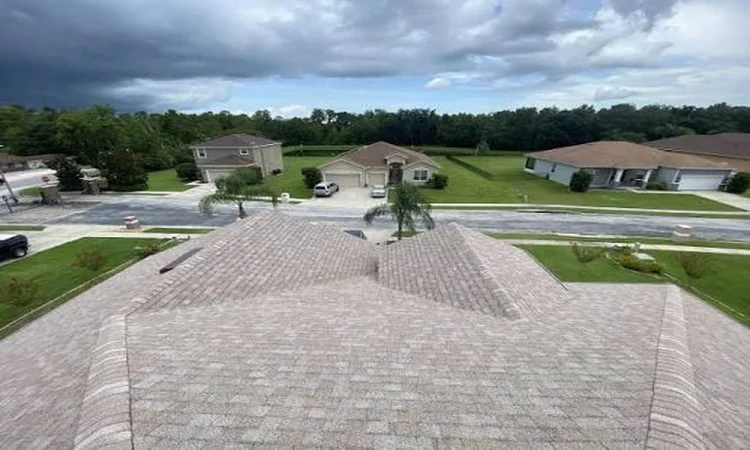
Most homeowners judge a new roof by how it looks from the driveway. The parts that actually keep water out are hidden under the shingles, and in Florida they are also regulated and inspected. Knowing the sequence helps you tell a careful crew from a rushed one. This walkthrough follows a typical roof replacement in Polk County from the first estimate to the final sign off, with the checkpoints that matter most to you as the owner.
Stage One: The Estimate and Roof Inspection
A solid estimate starts with someone walking the roof and checking the attic. They should look at the condition of the shingles, flashing, vents and any soft or sagging areas that suggest deck damage. Good contractors take photos and put the scope in writing.
Be wary of a quote delivered from the street in five minutes. A rough price can be offered that way, but a firm one cannot, because nobody can see the decking until the old roof comes off.
Stage Two: Permit and Paperwork
Before work begins, the project needs to be set up with the county. The Polk County Building Division expects the permit card to be on the job site during inspections, so ask your contractor who is pulling the permit and request the permit number. If a roofer suggests skipping the paperwork to save you money, treat that as a red flag. Unpermitted work can complicate insurance claims and cause headaches when you sell the home.
Stage Three: Materials and Scheduling
Roofing in Central Florida is a weather game. Summer afternoon storms can interrupt a job, and a responsible crew plans to tear off only as much roof as it can cover in a day. Ask how they protect an open roof overnight and what happens if rain arrives mid project.
Stage Four: Tear Off and Deck Check
Once the old shingles and underlayment are removed, the bare deck is exposed for the first time. This is when hidden rot shows up. Replacing damaged plywood is normal, but the price should be agreed in advance, usually per sheet, so there are no surprises. Ask the crew to photograph any decking they replace.
Stage Five: Dry In and the In Progress Inspection
After the deck is sound, the crew installs underlayment and flashing, which is the stage known as drying in. This is where Florida’s inspection rules come in. According to the county’s own roofing inspection procedures, contractors must schedule an in progress inspection for the day the roofing work is being done, with no exceptions. The permit card and the manufacturer’s installation instructions have to be on site, and skipping this inspection can bring a red tag, a citation and a fine.
The same document says the requirement applies even when new shingles go over the old ones, within the limits it describes. You do not schedule this inspection yourself, but you can ask your contractor how and when it will happen.
Stage Six: The Installation Itself
Now the visible roof goes on. Quality here comes down to details: correct nailing patterns, properly sealed flashing around chimneys and walls, ventilation that matches the attic, and ridge caps that are secured rather than just laid on. Manufacturers publish installation instructions for a reason, since following them is often a condition of the warranty.
Stage Seven: Final Inspection and the Roof Affidavit
When the job is finished, the contractor schedules a final inspection. The county requires a completed Roof Affidavit on site that day. According to the procedures, it must be on the county’s form, accurately describe how the roof was installed, carry the date the work was completed, and be signed by the licensed qualifier and notarized. A missing or incomplete affidavit can fail the final inspection.
For you, the practical step is simple: ask for a copy of the affidavit and the passed inspection record, and keep them with your home files.
Stage Eight: Cleanup, Payment and Warranty
Only after the inspections pass should the final payment be due. Walk the property with the crew and check for stray nails in the yard and driveway. Ask whether a magnet sweep is part of cleanup. Then confirm that the workmanship warranty and any manufacturer warranty registration are in writing, with the contractor’s contact details.
A Word of Caution
Procedures can change, and the county revises them from time to time, so the details above reflect the version available when this article was written. Confirm current requirements with the Polk County Building Division, and remember that Polk County also exists in other states, so make sure any guidance you read is about the Florida one. Use the stages as a checklist, ask your contractor to explain each step, and keep copies of every document. A roof is one of the largest repairs a homeowner will fund, and a little paperwork is the cheapest protection available.

