
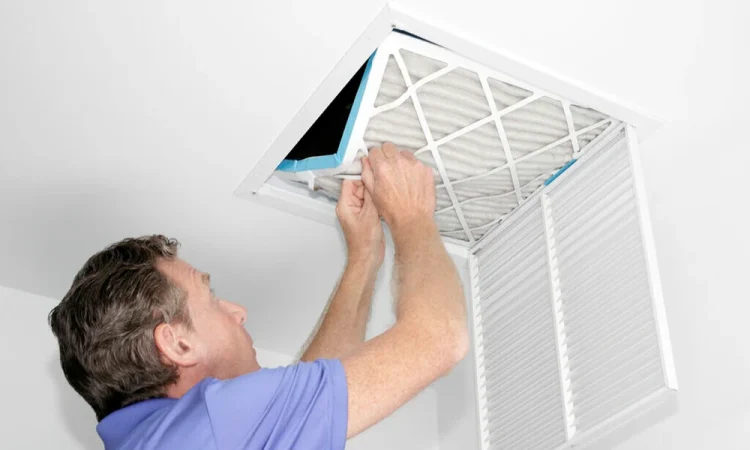
The air inside your home has a bigger impact on your comfort and well-being than many people realize. From dust and pollen to pet dander and other airborne particles, indoor air can quickly become less healthy without the right filtration system. Choosing the right HVAC filter is one of the simplest and most effective ways to improve your home’s air quality while helping your heating and cooling system perform more efficiently.
If you’re researching HVAC air filters Bozeman, MT, understanding how different filters work can help you make an informed decision. The right filter doesn’t just trap contaminants-it also protects your HVAC equipment, extends its lifespan, and contributes to a cleaner, more comfortable living environment.
Why Your HVAC Filter Matters More Than You Think
Your HVAC system continuously circulates air throughout your home. As that air moves through the system, the filter captures airborne particles before they can be redistributed into your living spaces.
A quality HVAC filter helps reduce common indoor pollutants such as:
- Dust and dirt
- Pollen
- Pet hair and dander
- Mold spores
- Lint and fabric fibers
- Some bacteria and fine airborne particles, depending on the filter type
Beyond improving indoor air quality, a clean filter also prevents debris from accumulating inside the HVAC system. This allows components like the blower motor and evaporator coil to operate more efficiently.
Understanding Different Types of HVAC Filters
Not all HVAC filters provide the same level of protection. The best choice depends on your home’s needs, the type of HVAC system you have, and whether anyone in your household has allergies or respiratory sensitivities.
Fiberglass Filters
Fiberglass filters are the most basic option. They primarily protect the HVAC equipment by capturing larger particles such as dust and lint.
While they are inexpensive, they do little to improve overall indoor air quality.
Pleated Filters
Pleated filters are a popular choice because they offer better filtration without significantly restricting airflow when properly matched to the system.
Their increased surface area allows them to capture:
- Dust
- Pollen
- Pet dander
- Mold spores
- Smaller airborne particles
Many homeowners find pleated filters offer an excellent balance between filtration and system efficiency.
High-Efficiency Filters
High-efficiency filters have higher MERV (Minimum Efficiency Reporting Value) ratings and capture much smaller particles than standard filters.
These filters may be especially beneficial for homes with:
- Allergy sufferers
- Asthma concerns
- Multiple pets
- Higher outdoor pollen levels
However, not every HVAC system is designed for very high-efficiency filters. Always verify compatibility before upgrading to a filter with a higher MERV rating.
How the Right Filter Improves HVAC Performance
Many people think of HVAC filters only in terms of cleaner air, but they also play an important role in system performance.
A clean, properly selected filter helps:
- Maintain steady airflow
- Reduce strain on the blower motor
- Improve heating and cooling efficiency
- Reduce dust buildup inside equipment
- Support more consistent indoor temperatures
When airflow becomes restricted by an overly dirty or incompatible filter, the HVAC system must work harder to move air throughout the home. Over time, this extra strain can contribute to increased wear on system components.
Common Mistakes Homeowners Make
Choosing an HVAC filter seems simple, but several common mistakes can reduce both air quality and system performance.
Using the Wrong MERV Rating
Many homeowners assume the highest-rated filter is always the best option. In reality, an excessively restrictive filter can reduce airflow if the HVAC system isn’t designed for it.
A professional can recommend a filter that balances filtration with proper airflow.
Forgetting to Replace Filters
Even the best filter eventually becomes clogged.
A dirty filter can:
- Restrict airflow
- Increase energy use
- Reduce heating and cooling performance
- Allow dust to accumulate inside the HVAC system
Most disposable filters should be inspected monthly and replaced according to the manufacturer’s recommendations or sooner if they become visibly dirty.
Buying Filters Based Only on Price
Cheaper filters may save money upfront but often capture fewer airborne particles and require more frequent replacement.
Considering long-term performance and indoor air quality often provides better overall value.
Signs It’s Time to Replace Your HVAC Filter
While replacement schedules vary depending on filter type and household conditions, several signs indicate it’s time for a new filter.
Watch for:
- Visible dust buildup on the filter
- Reduced airflow from vents
- Increased dust around the home
- Higher energy bills without another obvious cause
- Longer heating or cooling cycles
- Increased allergy symptoms indoors
Homes with pets, smokers, or ongoing renovation projects may require more frequent filter changes.
Choosing the Best Filter for Your Household
Every home has different indoor air quality needs. Selecting the right filter involves considering several factors rather than choosing the highest-rated product available.
Think about:
- Household size
- Number of pets
- Allergy or asthma concerns
- Local outdoor air quality
- HVAC system specifications
- Manufacturer recommendations
A properly matched filter helps maintain healthy airflow while providing effective particle capture.
Later, if you’re evaluating broader indoor air quality improvements alongside filtration, it’s worth exploring solutions that combine filtration with whole-home air purification to address a wider range of airborne contaminants.
Creating a Simple Filter Maintenance Routine
Replacing your HVAC filter is one of the easiest maintenance tasks homeowners can perform.
A simple routine can include:
- Checking the filter once each month
- Replacing it when it appears dirty or according to manufacturer guidelines
- Keeping spare filters on hand
- Recording replacement dates to maintain a consistent schedule
- Scheduling professional HVAC maintenance annually to ensure the entire system operates efficiently
Routine maintenance supports cleaner indoor air while helping your HVAC system continue operating as intended.
Conclusion
Cleaner indoor air starts with one often-overlooked component: the HVAC filter. Choosing the right filter helps capture airborne particles, supports healthier indoor air, and allows your heating and cooling system to operate more efficiently.
While every home has unique needs, understanding filter types, replacing them regularly, and selecting one that’s compatible with your HVAC system can make a noticeable difference in comfort and performance. By making filter maintenance part of your regular home care routine, you’ll help protect both your indoor environment and the long-term health of your HVAC equipment.

