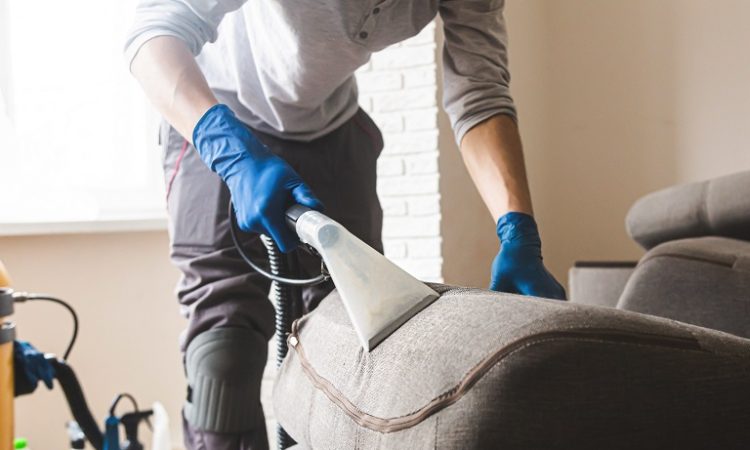
In today’s world, where environmental awareness is more important than ever, every small effort counts. One often-overlooked yet impactful way to reduce your carbon footprint is through eco-friendly sofa repair. Instead of discarding a worn-out sofa and adding to landfill waste, repairing and restoring it using sustainable methods not only breathes new life into your furniture but also contributes to a healthier planet.
Let’s explore how you can adopt greener practices when it comes to sofa repair—whether you’re a homeowner looking to revamp your living space or a conscious consumer embracing a more sustainable lifestyle.
Why Choose Eco-Friendly Sofa Repair?
Every year, millions of old sofas end up in landfills, taking years to decompose and releasing harmful chemicals into the environment. Most modern sofas contain synthetic materials like foam, polyester, and chemical-based glues that are not biodegradable. Repairing and reusing your sofa can significantly reduce your household waste and support circular living.
In addition to the environmental benefits, eco-friendly sofa repair is:
- Cost-effective: Often cheaper than buying a new sofa.
- Customizable: You can choose sustainable materials and designs that match your taste.
- Sentimental: Preserving a beloved family heirloom or favorite piece of furniture.
Sustainable Materials for Sofa Repair
Choosing the right materials is key to making your sofa repair truly eco-friendly. Here are some sustainable options to consider:
Organic Upholstery Fabrics
Traditional upholstery fabrics are often treated with chemicals or made from non-renewable resources. Instead, opt for:
- Organic cotton
- Linen
- Hemp
- Recycled polyester
These fabrics are breathable, biodegradable, and free from harmful toxins.
Eco-Friendly Foam Alternatives
Conventional foam is petroleum-based and difficult to recycle. Look for alternatives such as:
- Natural latex foam: Made from rubber tree sap and highly durable.
- Coconut fiber or coir: Provides firm support and is biodegradable.
- Recycled foam: Repurposed from old cushions and other sources.
Low-VOC Adhesives and Finishes
During the repair process, adhesives and finishes are often used to reinforce frames or reupholster cushions. Choose products labeled low-VOC (volatile organic compounds) or water-based to reduce indoor air pollution and toxic emissions.
Techniques to Repair Instead of Replace
Eco-conscious sofa repair isn’t just about materials—it’s also about how you fix your furniture. Here are some green techniques to try:
– Reupholstery Instead of Replacement
Rather than throwing away a sofa with worn fabric, have it reupholstered. This can drastically change the appearance while preserving the existing structure. It’s a great opportunity to upgrade with eco-friendly materials.
– Frame Reinforcement
Many older sofas have strong hardwood frames that can outlast modern ones. A professional can reinforce or repair the frame with reclaimed wood, extending the sofa’s life significantly.
– Cushion Refilling
Sagging cushions don’t mean your sofa is done for. Replace synthetic stuffing with natural latex or organic wool for a more sustainable (and comfortable) upgrade.
– DIY Fixes
For minor issues like squeaky springs, small tears, or loose legs, DIY repair kits are available. Choose eco-friendly tools and supplies wherever possible.
Finding Eco-Friendly Sofa Repair Services
If you prefer to hire a professional, look for upholstery and furniture repair businesses that prioritize sustainability. Ask these questions:
- Do they use natural or recycled materials?
- Are their adhesives and finishes low-VOC?
- Do they source local and sustainable wood?
- Do they recycle old foam and fabric?
Choosing a local service also helps reduce the environmental impact associated with transportation.
Benefits Beyond the Environment
While the environmental advantages of eco-friendly sofa repair are clear, the benefits extend even further:
- Healthier Indoor Air Quality: Using natural materials and low-VOC products reduces exposure to allergens and toxins.
- Personalized Style: Customize the sofa’s look with earth-toned fabrics, minimalist textures, or bold prints—all using eco-friendly options.
- Support Local Craftsmen: Small-scale upholsterers and repair services often rely on sustainable practices and offer high-quality work.
Tips to Keep Your Sofa Eco-Friendly for the Long Run
Once your sofa is repaired, maintaining it properly ensures its longevity—and further supports your green lifestyle:
- Vacuum regularly to prevent dust and allergen buildup.
- Rotate cushions to even out wear.
- Use slipcovers made from organic fabrics for added protection.
- Clean stains promptly using natural or homemade cleaning solutions.
Conclusion: Small Repairs, Big Impact
Repairing your sofa repair Dubai with sustainability in mind may seem like a small step, but it’s part of a much bigger movement towards mindful consumption and environmental responsibility. Every time you choose to fix rather than throw away, you’re helping reduce landfill waste, lower emissions, and preserve natural resources.
Next time your sofa shows signs of wear, consider giving it a second life through eco-friendly repair. It’s good for the planet, your pocket, and your home.