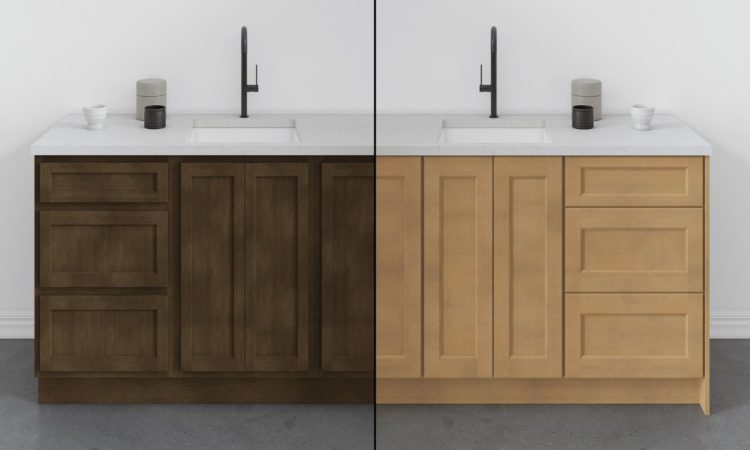
Step into any modern kitchen showroom and you’ll see it instantly: cabinet doors might look similar, but the way they fit and the space they take up can transform the entire feel of the room. The debate between overlay and reveal cabinet doors has never been more relevant for homeowners seeking both style and function. Distinguishing between these two styles is more than a matter of taste; it shapes your kitchen’s appearance, efficiency, and even its future market value.
Understanding Cabinet Door Styles: Overlay vs Reveal
Overlay doors are everywhere in today’s kitchens for good reason. These doors are designed to cover most, if not all, of the cabinet’s face frame, so all you see is the door itself. Picture the sleek lines of a contemporary kitchen where the frames almost disappear, creating a smooth, uninterrupted look.
Reveal doors, on the other hand, intentionally leave a visible edge (the “reveal”) of the cabinet frame around the door. Instead of a seamless facade, you get subtle shadow lines and a hint of classic cabinetry construction. This style can feel more traditional, but in the right hands, reveal doors deliver craftsmanship and dimension that overlay sometimes lacks.
Historical and Design Origins
Full overlay is a hallmark of modern kitchen design, rising alongside minimalist aesthetics. Reveal doors harken back to early cabinetry, where the construction methods dictated a visible frame. Today, both can be adapted to any taste, but the roots still influence their visual impact.
Visual Impact and Aesthetic Differences
Overlay doors dominate the scene in modern homes. By hiding almost the entire cabinet frame, they give kitchens a polished, built-in look. Think of flat slab overlays in glossy white or matte black, or classic Shaker overlays for timeless appeal. Brands like Kitchen Wholesalers offer extensive overlay options, from the Elegant Kitchen’s Shaker panels to bold Park Ave Blue raised panels, all with full overlays.
Reveal doors stand apart by drawing attention to the joinery and frame. The shadow lines and exposed edges create depth, making the cabinetry stand out as architectural elements in the room. The Country Kitchen lineup, for example, features standard reveal doors with raised oak panels, a nod to traditional craftsmanship but still relevant in rustic or transitional kitchens.
Popular Panel Styles and Species in Each Type
Overlay cabinets frequently pair with flat slab, Shaker, or even raised panels, using materials such as birch, MDF, or high-gloss laminates. Reveal cabinets more often embrace solid woods with detailed profiles, underlining the frame’s presence.
Construction and Installation Variations
How do doors interact with the cabinet structure? Overlay doors are mounted so they extend almost to the outer edge of the cabinet box, minimizing visible frame and maximizing storage accessibility. Reveal doors are sized to leave a consistent frame border, which can affect how doors are spaced and the hardware required.
The construction materials also shift slightly. Full overlay cabinets often use engineered wood or laminates for precise, clean lines, while reveal styles lean into solid woods and traditional joinery.
Functional Pros and Cons
Overlay cabinets make the most of available space, with larger doors granting easier access to shelves and drawers. Installation can be a bit more forgiving, as slight imperfections in cabinet alignment are hidden by the doors themselves. These cabinets also tend to accumulate less dust on exposed frames, making maintenance easier over time.
Reveal doors, while visually striking, expose more of the cabinet structure to wear and tear. Frames can gather dust and require more frequent touch-ups. On the flip side, reveal cabinets are less likely to show finger marks on the face frame and can be easier to align in older homes where walls are not perfectly square.
Hardware and Hinges Compatibility
Overlay doors generally require specialized concealed hinges to maintain the seamless look, whereas reveal doors rely on more traditional hinge styles that may be exposed or semi-concealed.
Cost Implications and Market Availability
Overlay cabinets, particularly in high-gloss or exotic finishes, often cost more due to the larger door panels and higher material usage. Reveal cabinets may be more budget-friendly, especially in stock or semi-custom lines, but this can vary based on wood species and panel complexity.
| Door Type | Visual Effect | Space Efficiency | Price Range (Approx.) |
|—————|———————-|——————|————————-|
| Overlay | Seamless, modern | High | $$ – $$$ |
| Reveal | Framed, traditional | Moderate | $ – $$ |
Overlay cabinets dominate many modern product lines, as a quick browse through Kitchen Wholesalers kitchen cabinets demonstrates. However, reveal cabinets retain a loyal following for those seeking a classic or transitional look.
Choosing Between Overlay and Reveal for Your Kitchen
The right choice depends on your design goals. For a streamlined, modern kitchen or one with minimal gaps between doors, overlay is the obvious winner. If you crave character, shadow lines, or want cabinetry that feels rooted in tradition, reveal doors are ideal.
Resale trends currently favor overlay, but well-crafted reveal cabinetry in the right setting can be a unique selling point. Consider your habits, too: high-traffic families may appreciate overlay’s easy-wipe surfaces, while reveal doors can suit lower-maintenance households.
Care and Maintenance Specifics for Each Door Type
Overlay doors typically only require regular wiping with a damp cloth and mild detergent, as most of the cabinet frame is protected. Reveal doors, in contrast, expose more surface area and corners, meaning dusting and occasional touch-ups are part of the routine.
Summary: Key Takeaways and Final Recommendations
Overlay cabinet doors create a modern, expansive look and often yield greater storage access, while reveal doors highlight cabinet craftsmanship with a more traditional visual rhythm. Material choices, panel styles, and hardware compatibility all play a role in the final decision. For those exploring both options, examining showroom models like those from Kitchen Wholesalers kitchen cabinets can provide valuable insight into which style feels right for your space. Ultimately, the best choice balances aesthetics, function, and your personal taste, making your kitchen a true reflection of how you live.