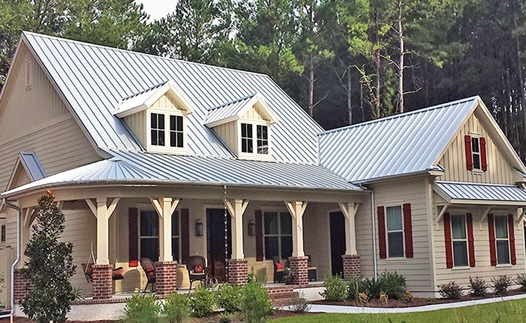
As a homeowner, taking proactive steps to maintain your roof is essential to ensure its longevity and performance, especially when it comes to metal roofing. Metal roofs are known for their durability, but they still require regular inspections to maintain their strength and prevent issues that could lead to expensive repairs or premature replacement.
In this comprehensive guide, we’ll walk you through an essential annual metal roofing inspection checklist, so you can stay ahead of potential problems and keep your roof in top shape for years to come.
1. Check for Loose or Missing Fasteners
One of the first things to inspect on your metal roof is the fasteners. Over time, weather conditions and natural wear can cause fasteners to loosen or even fall out, potentially leading to leaks. Use a ladder to carefully inspect the screws and bolts that hold the panels in place, ensuring they are tight and secure. If you find any loose or missing fasteners, replace them promptly to avoid further damage.
2. Examine the Roof Panels for Damage
Metal roofing is built to withstand harsh elements, but it’s still vulnerable to damage from hail, falling branches, or severe storms. Inspect each panel for signs of dents, scratches, or rust. Even small areas of damage can compromise the integrity of the roof. If you notice any damage, contact a professional roofing contractor to assess the extent of the problem and recommend repairs.
3. Look for Rust or Corrosion
While metal roofs are resistant to rust, they aren’t immune to corrosion, especially in areas where the protective coating has worn away. Inspect the surface of your roof for signs of rust or corrosion, particularly in places where water might collect, such as valleys or around fasteners. If you find any, make sure to clean the affected area and apply a rust inhibitor or a new protective coating.
4. Inspect Flashing and Sealant
Flashing plays a crucial role in directing water away from vulnerable areas, like chimneys, vents, or roof intersections. Check the flashing for signs of damage, such as cracks, gaps, or rust. Also, inspect the sealant around these areas to ensure it hasn’t worn away. If any issues are found, reapply sealant or replace damaged flashing to prevent water intrusion.
5. Check the Gutters and Downspouts
Your metal roof works in tandem with your gutters to direct water off the roof and away from your home’s foundation. Make sure your gutters and downspouts are free from debris, such as leaves or twigs, which could impede water flow. Also, check for any signs of rust or damage to the gutters, as this could affect the efficiency of your drainage system.
6. Ensure Proper Insulation and Ventilation
Proper insulation and ventilation are essential for maintaining a healthy metal roof. Inspect your attic to ensure that it’s adequately ventilated and that insulation is intact. Poor ventilation can cause moisture buildup, leading to rust and other roof issues over time.
7. Schedule Professional Inspections
While a visual inspection is important, it’s also a good idea to have a professional roofing contractor inspect your metal roof at least once a year. A professional can identify hidden issues and provide expert advice on maintaining the integrity of your roof.
Regular inspections are the key to extending the life of your metal roof. Don’t wait for minor issues to become major problems. Contact Florida Roofing and Gutters today to schedule a professional roof inspection and ensure your roof stays in top condition for years to come!
This post was written by a professional at Florida Roofing and Gutters. Florida Roofing and Gutters, founded by Tri-Town Construction, is the best Metal roofing Sarasota FL to turn to for residential and commercial roof replacements and repairs in Southwest Florida.