Most people choose a roof by how it looks from the curb and what it costs on the estimate. Very few think about what happens after the crew packs up. Every roofing material comes with its own set of habits. A shingle roof and a standing seam roof can both protect a house for decades, but one wants you watching its pipe boots while the other mostly wants to be left alone. The material you pick quietly writes your maintenance list for the next twenty to fifty years.
Plenty of homeowners first see the full range of options after typing a name like Brian King Roofing into a search bar. That is when they learn that “a new roof” can mean half a dozen very different systems. Restoration crews tend to see the other end of that story. Bravo Restorations works on storm damage repair and full renovations for homes and commercial buildings around Minneapolis and St. Paul, and teams like theirs usually show up after hail or wind has found the weak point a material was always going to have.
So here is the menu, sorted by what each roof asks of the people living under it rather than by price.
Architectural Shingles Reward a Habit of Looking Up
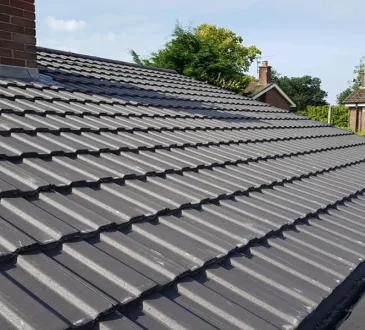
Architectural shingles, also called dimensional or laminated shingles, are two layers bonded together. That makes them thicker and heavier than the flat three tab shingles they replaced on most American homes. They come in grades. Entry lines cover most houses well, heavier lines carry higher wind ratings, and impact resistant versions are tested to the UL 2218 standard, where Class 4 is the top rating.
The shingles themselves often outlast the parts around them. The rubber collars around plumbing vents, known as pipe boots, can crack from sun exposure well before the shingles wear out. A cracked boot drips into the attic for months before anyone notices a ceiling stain. Granules piling up in the gutters are another early signal, especially when they show up years before the roof should be aging.
Dark streaks on the north side of a roof usually come from algae, not dirt. They are mostly a cosmetic problem, but overhanging branches that keep the surface damp can make them worse and let moss take hold. The attic matters too. Poor ventilation cooks shingles from underneath, shortens their life, and can complicate a warranty claim.
Premium Shingles Bring Extra Weight and Extra Planning
Designer or luxury shingles are thicker products shaped to look like slate or cedar shake. They behave much like architectural shingles day to day, but they carry a few quirks of their own.
They weigh more per square, so a contractor should confirm the deck and framing are sound before installation. Some lines have their own minimum slope requirements. The most practical habit is one many owners skip. Ask the crew to leave a few spare bundles behind after the job. Premium colors get discontinued, and a storm repair five years later can leave a patch that never matches.
Screw Down Metal Keeps You on a Calendar
Exposed fastener metal, often called screw down metal, is the budget route into a metal roof. Long panels are fastened straight through the face with screws, and each screw seals the hole with a rubber washer. Those washers do most of the waterproofing work. As one trade publication on exposed fastener metal roofs explains, the washer forms the primary seal in this kind of system, and many early problems trace back to the screw or how it was driven.
The panels can last a very long time. The fasteners usually do not. Sunlight hardens the washers, and the steel expanding and shrinking with every season slowly widens the screw holes. Many owners need a re-screw somewhere between ten and twenty years in. A good inspection on this kind of roof checks for:
- Washers that look cracked, flattened, or squeezed out past the screw head
- Screws driven at an angle, or ones that have backed out and let the panel shift
- Rust spots from metal shavings left on the surface during installation
- Sealant at trim pieces, ridge caps, and panel laps that has dried and pulled away
None of this is difficult work. But it is real, and it needs to happen on a schedule rather than after a leak.
Standing Seam Mostly Wants Space
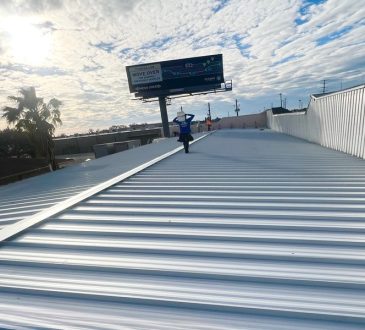
Standing seam roofs hide their fasteners. Clips hold the panels underneath raised seams, which lets the metal move with the temperature without tearing at screw holes. With far fewer openings in the surface, these roofs need less attention than almost anything else on the market and can last forty to seventy years.
What they ask for is mostly restraint. Walking on the panels can dent or scuff them, so foot traffic should be rare and careful. Valleys should stay clear of leaves and branches. Vent and chimney penetrations still rely on sealants that age. In snowy regions, snow guards keep sheets of ice from sliding off at once and tearing out gutters. The less obvious risk is mixing metals. Copper runoff, contact with treated lumber, or a lead flashing can corrode a steel roof over time.
Stone Coated Steel Sits in the Middle
Metal shingles with a stone coating look like shake, tile, or dimensional shingles from the street, but the core is steel. They are lighter than tile, quieter in rain than bare metal, and often perform well in hail. Their chore list is short. Granules can wear thin along paths where workers walk, and deep scratches that reach the steel should be touched up before rust spreads.
Composite Shingles Swap Chores for Patience
Synthetic slate and shake are made from engineered polymers. They are light, often impact rated, and need very little routine care beyond watching for color fade. The tradeoff shows up when something goes wrong. Fewer crews are trained on each brand, warranties often depend on certified installers, and finding a matching replacement piece can take time. Owners with composite roofs usually do best by keeping the original installer’s paperwork and product details somewhere easy to find.
The Chores Every Roof Shares
Some tasks follow every material. Flashing where the roof meets a chimney or wall eventually needs attention. Gutters need to stay clear so water leaves the roof edge instead of backing up under it. A walk around the house with binoculars each spring and fall, plus a look after any serious storm, catches most problems while they are still small. Photos from those walks become valuable evidence if an insurance claim ever comes up.
Choosing a roof is really choosing which of these chores you are willing to keep up with. A cheaper material that needs regular attention can be a smart choice for someone who will actually do that work. A pricier system that asks for almost nothing can be worth it for someone who knows they will never climb a ladder. Either way, the best roof is the one whose habits fit the people living under it.