On most single story ranch homes south of Atlanta, a full roof replacement is finished in one or two days. The crew shows up at sunrise, the old shingles slide into a dumpster, and by evening the house has a new lid. It feels fast, almost anticlimactic, for something that costs as much as a used car.
That speed hides an odd truth. Some of the decisions made during those two days matter for a single afternoon, while others will shape how the house performs, what the insurance company pays and what the next owner sees in an inspection report decades from now. Sorting them by how long they last is a far more useful way to plan than any generic checklist.
Clayton County makes a good case study. Its neighborhoods in Forest Park, Riverdale, Morrow and Jonesboro are full of established ranch homes, many with roofs that have been patched more than once, and the county remains one of the most affordable corners of Metro Atlanta. Homeowners researching a Clayton roof replacement usually start with price, which is reasonable, but the price only makes sense once you know which parts of the job you are really paying for.
So let’s go from the shortest lived decision to the longest.
Choices That Last One Day
These feel trivial until they go wrong.
- The dumpster spot. A loaded roll off container is heavy enough to crack an older concrete driveway. Ask for plywood under it, or have it placed on the street if your neighborhood allows.
- The attic. Tear-off shakes decades of dust and the occasional nail through the ceiling boards. Cover anything stored up there, and pull holiday boxes away from the eaves.
- Pets and plants. Hammering for eight hours rattles dogs, and falling debris flattens shrubs along the drip line. A few tarps and a friend’s backyard solve both.
- The nail sweep. A good crew runs a magnetic roller across the yard and driveway at the end of the day. Ask them to do it twice. Tires will thank you.
Choices That Last a Few Weeks
The paperwork window lives here. Clayton County issues building permits through its office on South McDonough Street in Jonesboro, open weekdays, and the county confirms that contractors hold proper state licensing before permits are released. Homes inside incorporated cities may route through their own city building office instead, so confirm which one applies to your address.
Scheduling also matters more than people expect. Spring storms and late summer downpours fill contractor calendars quickly, while the stretch from mid fall into early winter usually offers dry, mild days that let shingles seal properly. A roof installed in a comfortable 60 degree week tends to bond more evenly than one rushed between thunderstorms.
Choices That Last Until the Next Big Storm
This is where many homeowners lose money without realizing it, because the decisions live on paper rather than on the roof.
If insurance is paying for part of the job, Georgia law gives you a real safety net. Under O.C.G.A. 10-1-393.12, you can cancel an insurance contingent roofing contract up to midnight on the fifth business day after your insurer tells you in writing that all or part of the claim is not covered. The contractor must hand you that notice in bold print with a detachable cancellation form, and cannot require payment until that window closes, except for emergency work you approved in writing. Georgia also treats waiving or absorbing a homeowner’s deductible as off limits, so any “free roof” pitch should end the conversation.
Roof age plays a role too. Many policies shift from replacement cost to actual cash value once shingles pass 10 to 15 years, which means depreciation can shrink a payout dramatically. A new roof resets that clock, and keeping the invoice and permit record in a safe place gives you proof of age the next time an adjuster asks.
Choices That Last Ten or Fifteen Years
Now we are under the shingles, where the work nobody photographs decides whether the roof reaches its full lifespan.
- Decking. Once the old layers come off, rotted plywood becomes visible. Replacement sheets often run about $70 to $100 each, and a written estimate should state that per sheet price upfront so there are no surprises. Older Clayton homes with two stacked shingle layers are especially likely to hide soft spots.
- Underlayment. Synthetic underlayment across the deck, plus ice and water shield in valleys and around chimneys, handles the two or three inch bursts of rain that summer storms can drop in an hour.
- Flashing and pipe boots. Rubber boots around plumbing vents often crack long before the shingles age out. Replacing them during the job costs little. Reusing them is a classic source of leaks a few years later.
- Ventilation. Balanced intake at the soffits and exhaust at the ridge keeps attic heat and humidity from cooking shingles from below. On ranch homes with low slopes and small attics, this single detail can add years.
Choices That Last a Generation
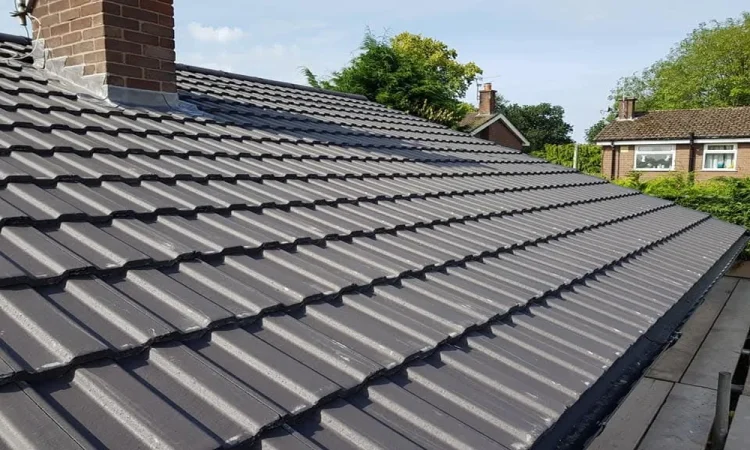
Finally, the material itself. Architectural asphalt shingles remain the Georgia standard, generally lasting 25 to 30 years, and most Georgia homeowners pay roughly $9,000 to $18,000 for them. Smaller ranch homes, which describes a large share of Clayton County, can come in under $10,000, while steep pitches add 10 to 25 percent for labor and safety.
A few upgrades are worth weighing because they last as long as the roof does.
- Algae resistant shingles with copper infused granules keep the shady north slope from turning streaky in humid summers.
- Class 4 impact resistant shingles cost more upfront but may earn insurance premium discounts from certain carriers.
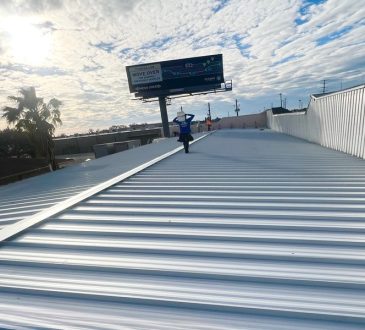
- Standing seam metal can run two to three times the price of asphalt yet last roughly twice as long, which appeals to owners planning to stay put.
- Lighter colors reflect more sun, a small but steady help to summer cooling bills.
The right answer depends less on the house than on the owner. Someone planning to sell in five years may sensibly choose a solid architectural shingle and put the savings toward ventilation. Someone who expects to retire in the same Morrow cul de sac might find metal’s longer horizon worth every extra dollar.
Either way, the loud part will be over in a weekend. Everything else lingers much longer, and that is where your attention deserves to go.