Storms can strike without warning, but they can cause serious destruction in their wake. Strong winds, heavy rain and flying debris could take shingles off of your roof and break windows. It can also cause leaks that could result in costly interior issues. Although permanent repairs can require a long time, one the most important actions you can take now is stop the damage from becoming worse. This is why emergency tarping can be helpful.
The emergency tarping system is a temporary option to shield your home following an event. It keeps out the rain, debris and even bugs until a professional arrives to examine the home and complete permanent repairs. If you’re the first experience with the effects of storms Here is a basic step-by-step guide that will help comprehend the procedure.
1. Always put safety first
Before you do anything else be sure that it’s safe to examine the damages. Be sure to look for fallen electricity lines, water that is accumulating in electrical points, or indications that a part of the structure might be unstable. If your home is in the midst of significant damage, it’s ideal not to act until the emergency workers or certified professionals confirm that it’s safe.
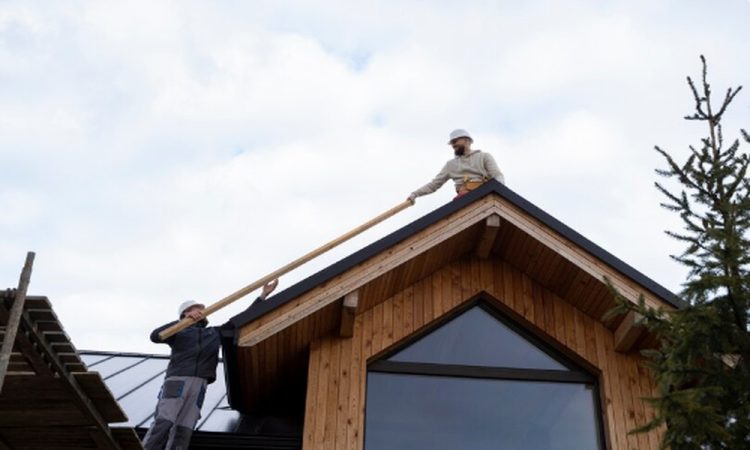
Don’t climb on the roof that is wet or unstable even if it appears minimal at a distance. If you have to climb up in slippery shoes or use fall protection and don’t work in a group. Safety should always be first.
2. Take note of the damage immediately.
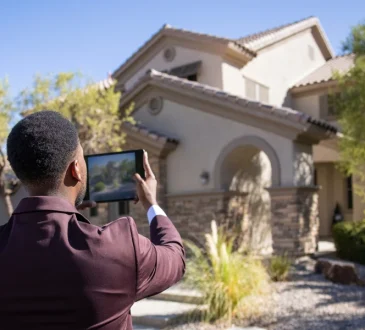
When you are sure you can conduct a quick examination of the outside of your house. Be aware of places that usually suffer the brunt of storm damage including the roof attic vents, skylights windows, siding and.
Be on the lookout for signs that include:
- Damaged or missing shingles
- Punctures or holes in the roof
- Sagging regions
- Water can enter through ceilings or walls
- Broken windows, damaged siding or cracked windows
Photograph all the things you discover. The photos can be helpful later on if you must make an insurance claim, or even show contractors the amount of damage.
3. Select the Best Tarp
Some tarps are not designed for protection against storms in emergencies. You’ll need one that is water-proof, heavy-duty and sturdy enough to withstand rain and wind. A tarp at 6 mils or more is a good place to start.
Make sure the tarp you choose to use is sufficient to extend 3-4 feet beyond the affected area from all sides. This extra protection helps to direct waters away from an opening, and allows you to secure it in a proper manner. Grommets in tarps help anchoring more easily.
4. Install the Tarp in the Correct Way
If you’re able secure the damaged area with tarps and without risk, follow these simple steps:
- Take away loose debris, such as broken shingles or branches
- Unroll the tarp before placing it flat on top of the damaged area
- Be sure that it completely covers the exposed area or hole and extends over it.
- Make sure the edges are secured with two-by-4 boards, by wrapping the edge of the tarp around the wood before attaching the boards to each other.
- Make sure you anchor it securely so that winds is unable to lift it.
Avoid screwing or nailing the tarp directly onto exposed areas, unless it is absolutely necessary, because this could create more holes, and cause more leaks, if done incorrectly.
In the case of broken windows or holes in walls for damaged walls, plastic sheets or tarps can be secured from the inside with sheets, strong tape or clamps, based on the kind of material and the extent that the damages are severe.
5. Guard the inside of your Home
Don’t just focus on the exterior. Security inside is equally important. Moving furniture, electronics and other valuables out of areas in which water drips. Place containers or buckets under active leaks to capture the water before it gets spread.
If your carpets, rugs or furniture that is made of fabric gets wet, get them dry promptly to prevent the growth of mildew and mold. Make sure you open your windows when the weather permits or you can use ventilators and fans to increase circulation of air. The earlier moisture is eliminated from your home, the less permanent damage to your home will be.
Final Thoughts
The emergency tarping method isn’t permanent however it is one of the quickest methods of protecting your home from damage after the ravages of a storm. It can save you time as you plan for an expert inspection and repairs that last. Being quick can lessen the damage caused by water, secure your possessions, and stop the situation from getting more serious.
In the end, don’t make rash decisions and take risks. If the damage is significant or your roof appears unsafe get a professional assistance. Some smart actions within the first few hours following an event can make a huge difference in ensuring your home is safe and safe.
This post was written by a professional at Baypoint Roofing. Baypoint Roofing is a State-certified, insured, bonded, and licensed roofing contractor specializing in insurance restoration, storm damage repair, and expert roof inspections and installations. With over 25 years of experience, we proudly serve the entire state of Florida. Whether you need a complete roof replacement or precise repairs, our skilled team delivers unmatched quality and service. Trust Baypoint Roofing, roofing contractors Lutz fl, to protect your home or business with solutions that endure the Florida elements and exceed your expectations. Your satisfaction is our top priority.