Introduction
Many homes in rural and semi-rural parts of Maryland get their water from a private well rather than a public utility. That brings real independence, but it also means the system is entirely yours to look after. When you are on public water, someone else tests it and maintains the pipes. With a well, nobody does that unless you do. The team at Bird Dog Plumbing works with well pumps and water treatment, and the most common thing they hear from homeowners is some version of “I never thought about it until it stopped working.” This guide walks through the system from the well to the faucet so you know what each part does and what to watch for.
Stop One: The Well Itself
What It Is
The well is a drilled shaft that reaches groundwater, lined with a casing and topped with a cap at ground level. It is the source of everything that comes out of your taps.
How to Keep It Safe
According to the EPA’s guidance for private well owners, you can protect the well by managing what happens around it:
- Slope the ground so surface runoff drains away from the well
- Install a well cap or sanitary seal to keep out unauthorized use and contaminants
- Avoid mixing or using pesticides, fertilizers, degreasers, fuels, and similar pollutants near the well
- Never dispose of waste in dry wells or abandoned wells
- Do not cut the well casing below the land surface
- Hire a certified well driller for any new construction, modification, or closure
A Quick Walk Around the Wellhead
The EPA recommends periodically inspecting the exposed parts of the well for a cracked, corroded, or damaged casing, a broken or missing cap, and settling or cracking of the surface seals. Keep a simple log of what you find and when.
Stop Two: The Well Pump
What It Does
The pump pushes water from the well up to your house. In many homes it sits deep inside the well, which is why problems can go unnoticed until water stops flowing.
Warning Signs of a Struggling Pump
- Sputtering faucets. Air in the lines can mean the pump is struggling or losing prime.
- Low or fluctuating pressure. Showers that fade in and out are a common early clue.
- Pump that runs constantly or cycles rapidly. Both put extra wear on the motor.
- A higher electric bill with no change in habits. An overworked pump draws more power.
- Cloudy, sandy, or discolored water. Sediment can indicate pump or well problems.
- No water at all. This may be a tripped breaker, a failed pump, or a problem with the pressure system, so check the breaker first and then call a professional.
Why Prompt Attention Matters
A failing pump rarely fixes itself. Running it while it is struggling can burn out the motor, and running a pump dry causes serious damage. If something seems off, getting it checked early is usually cheaper than waiting for a complete failure.
Stop Three: The Pressure Tank
The Hidden Helper
The pressure tank stores water and keeps pressure steady, so the pump does not have to start every time you turn on a tap. It works with a pressure switch that tells the pump when to turn on and off.
Signs of a Tank Problem
- The pump switches on and off very frequently for small uses of water
- Pressure surges or drops during use
- Visible rust or leaks around the tank
- Pressure gauge readings that swing widely
A tank that has lost its air charge or developed a leak can shorten the life of the pump, so it is worth having it inspected whenever the pump is serviced.
Stop Four: The Pipes and Fixtures
Where Well Water Shows Itself
Because well water is not treated by a utility, it can leave clues on your fixtures. The EPA’s chart of conditions to look for connects several household symptoms to likely causes:
- Stained fixtures or laundry can point to iron, copper, or manganese
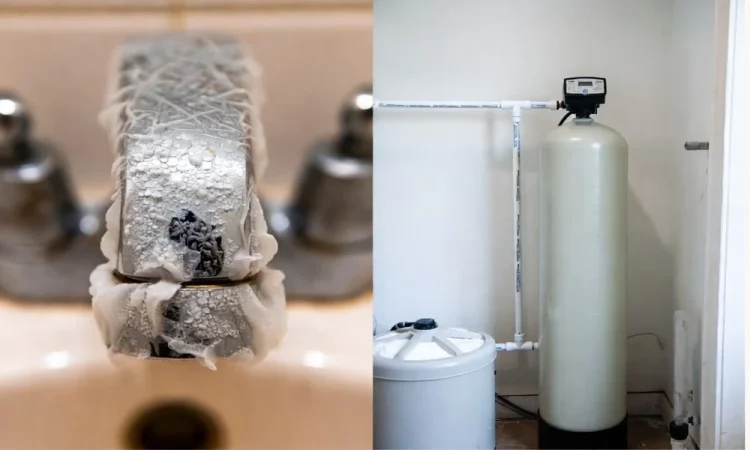
- Scaly residue and soaps that do not lather often indicate hardness
- A bad taste or smell can be linked to hydrogen sulfide, corrosion, or metals
- Water that appears cloudy, frothy, or colored may be worth testing for color or detergents
These are signals to test, not diagnoses, but they tell you what to ask a lab or plumber about.
Stop Five: Testing and Treatment
How Often to Test
The EPA recommends testing a private well every year for total coliform bacteria, nitrates, total dissolved solids, and pH, and testing for other contaminants if you suspect them. Test more often if young children, older adults, or someone who is pregnant or nursing lives in the home.
When to Test Immediately
The agency lists several situations that call for testing right away:
- Known problems with groundwater or drinking water in your area
- Significant changes near the well, such as flooding, land disturbance, or new construction
- Replacing or repairing any part of the well system
- A change in the odor, color, or taste of your water
Where to Test
Use a laboratory certified for drinking water testing. The EPA notes that your local health department may even provide private well testing for free.
Treatment Options
If a test shows a problem, the EPA advises contacting your health department and retesting to confirm. Depending on the issue, solutions can include disinfection, filtration, or other on-site treatment, and a water softener is a common answer to hardness. Not every problem has a simple fix, so work from the test results rather than guessing.
After a Flood or Storm
Protecting Your Family and Your Pump
Heavy rain and flooding can push contaminants into a well. The EPA’s flood response steps include:
- Stay away from the well pump while it is flooded to avoid electric shock
- Do not drink or wash with water from the flooded well
- Get help from a well or pump contractor to clean and disinfect the well before turning the pump on
- After restarting the pump, run the well until the water is clear, and seek health department advice if it is not
Your Annual Well Care Checklist
A Simple Routine
- Walk around the wellhead and check the cap, casing, and surface seal
- Keep chemicals, fuel, and fertilizers well away from the well
- Schedule an annual water test with a certified lab
- Watch pressure, pump cycling, and your electric bill for changes
- Have the pump, pressure tank, and switch inspected if anything seems off
- Keep records of testing and maintenance in one place
- Pump and inspect your septic system as often as your local health department recommends
Conclusion
A private well gives you control over your water, and with that comes responsibility for keeping it safe and reliable. Know each part of the system, watch for small changes in pressure and water quality, test on a regular schedule, and call a qualified plumber or well professional as soon as something stops behaving normally. A little attention now keeps clean water flowing and protects the pump that makes it all possible.