Water heaters usually operate quietly in the background, which makes them easy to overlook until something suddenly goes wrong. Yet serious failures rarely appear without any warning. Changes around the tank, hot water quality, plumbing connections, and surrounding area can provide valuable clues that damage is developing.
Learning to recognize these physical warning signs can allow homeowners to arrange service before escaping water or equipment failure creates a larger household emergency. Regular observation is particularly valuable because some forms of deterioration develop gradually and may initially appear insignificant.
Watch For Rust Around Connections
Rust deserves attention wherever it appears around a water heater. Check visible pipe connections, fittings, valves, and the exterior of the tank periodically for discoloration or corrosion.
A small rusty area does not necessarily mean that a major failure is about to occur, but corrosion should never simply be ignored. It can weaken metal components and make connections more vulnerable over time.
The location of the corrosion is especially important. Surface deterioration on a replaceable fitting presents a different situation from deterioration affecting the tank itself. A professional assessment can distinguish between localized damage and a condition that may threaten the integrity of the equipment.
Examine The Floor For Moisture Marks
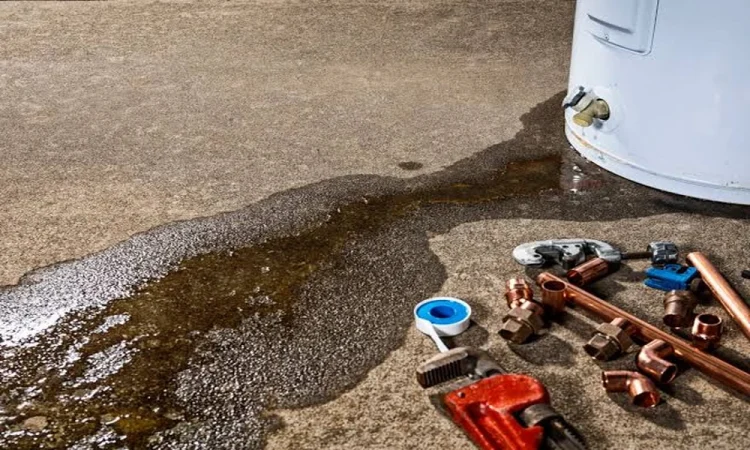
A dramatic puddle is not the first indication of every water heater leak. Sometimes the earliest evidence is a damp patch, staining, mineral residue, or changes in flooring near the equipment.
These subtle marks can be particularly important when the water heater is installed somewhere homeowners rarely visit. Utility rooms, garages, basements, and enclosed spaces may allow small amounts of moisture to remain unnoticed.
Checking the floor occasionally can reveal developing problems early. Even if the area feels dry during an inspection, previous water marks may suggest intermittent leakage that requires investigation.
Pay Attention To Changes In Hot Water Appearance
Hot water itself can sometimes provide information about the condition of the system. Unexpected discoloration, cloudiness, or particles coming from hot water fixtures may warrant closer attention.
Before assuming the water heater is responsible, compare hot and cold water from different faucets. If unusual water appears primarily when using the hot supply, the heater or associated hot water plumbing may require inspection.
Changes should be evaluated rather than masked because they may provide useful clues about internal conditions.
Check For Bulging Or Visible Tank Changes
The exterior shape of a traditional tank water heater should remain stable. Any unusual deformation, bulging, damaged seams, or noticeable changes to its physical appearance deserve prompt professional attention.
Homeowners should avoid attempting to open, modify, or dismantle equipment to investigate these conditions themselves. Water heaters involve hot water and, depending on the system, electricity or gas. Visual observations can be communicated to a qualified professional without unnecessary interaction with potentially damaged equipment.
When concerning physical changes appear, an affordable plumber Houston households can contact may evaluate the equipment before a developing defect turns into significant water damage or an unexpected loss of service.
Notice Water Pressure Changes At Hot Fixtures
Changes at faucets and showers can sometimes indicate an issue somewhere within the hot water system. If hot water flow suddenly becomes noticeably different while cold water pressure remains normal, further investigation may be appropriate.
Mineral accumulation, restricted plumbing components, or other conditions can affect water delivery. Because several plumbing issues can produce similar symptoms, proper diagnosis is preferable to assuming that the water heater is automatically responsible.
Observing whether the issue affects one fixture or multiple fixtures can also provide useful information during a service visit.
Look At The Area Around The Drain Valve
The drain valve is another location worth checking visually. Evidence of dripping, mineral deposits, staining, or corrosion around this area may indicate that the valve is no longer sealing as intended.
A slow drip can seem harmless, especially when it disappears into a floor drain or unfinished surface. Over time, however, persistent moisture can affect nearby materials and conceal a worsening problem.
Homeowners should include this area when performing occasional visual checks of the equipment.
Early Observation Can Prevent Major Disruption
Recognizing water heater damage is largely about noticing changes before they become dramatic. Rust, moisture marks, altered water appearance, physical tank changes, unusual flow, and deterioration around valves can all provide reasons for further inspection.
A few minutes spent observing the water heater periodically can make developing damage easier to identify. Acting when the warning signs are still small may help prevent an inconvenient plumbing situation from escalating into extensive property damage and an unexpected household emergency.