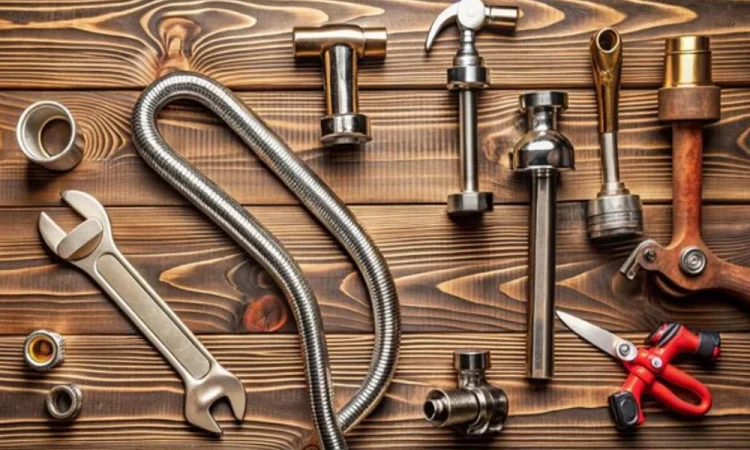
A dripping faucet or slow drain can seem like a small problem. Sometimes it is. You may only need a simple tool and a little patience to fix it.
Still, choosing the wrong plumbing tool can make the job harder. It can also damage a pipe, scratch a fixture, or turn a small repair into a bigger problem.
You do not need a huge toolbox for basic home plumbing repairs. A few useful tools can handle many common jobs. The key is knowing what each one does and when to use it.
Start With the Type of Plumbing Repair
Before picking up a tool, take a moment to look at the actual problem.
Are you tightening a loose connection? Removing a faucet part? Clearing a clogged drain? Cutting a piece of plastic pipe?
Different jobs need different tools.
For example, a wrench that works well on a metal pipe may be too aggressive for a finished faucet. A plunger designed for a sink may not work as well on a toilet.
It sounds simple, but matching the tool to the job is the first step.
When Should You Use an Adjustable Wrench?
An adjustable wrench is one of the most useful tools for simple plumbing repairs.
It can help loosen or tighten nuts on faucets, supply lines, and other fittings. Since the jaw can be adjusted, one wrench can work with several sizes.
Still, be careful with finished surfaces. Metal jaws can scratch chrome and other decorative finishes. A soft cloth between the wrench and the fixture may help provide some protection.
Avoid forcing a fitting that will not move. Too much pressure can damage the nut or nearby plumbing parts.
What Is a Pipe Wrench Best Used For?
A pipe wrench is designed to grip round metal pipes. Its strong teeth provide a firm hold, which can be useful when dealing with threaded pipe connections.
But this is not an all-purpose wrench.
You generally should not use it on polished faucets, plastic pipes, or delicate fittings. The teeth can leave deep marks or cause damage.
For simple home repairs, a smaller pipe wrench may be enough. Bigger is not always better, especially in tight spaces.
Do You Need Pliers for Basic Plumbing Work?
Yes. A good pair of tongue-and-groove pliers can be very useful.
These pliers have adjustable jaws that can grip nuts, pipes, and fittings of different sizes. They work well for tasks under sinks where space may be limited.
Again, use caution around finished fixtures.
Needle-nose pliers can also help retrieve small objects, hold tiny parts, or reach into narrow spaces. You may not use them every time, but they can be surprisingly handy.
Which Plunger Should You Choose?
Not all plungers are the same.
A basic cup plunger is usually better suited for sinks, tubs, and flat drains. A flange plunger has an extended rubber section that helps create a better seal inside a toilet drain opening.
Using the right design matters because plunging depends on creating pressure and suction.
Before reaching for harsh drain chemicals, a plunger may be worth trying first for a simple clog.
When Is a Drain Snake Useful?
A drain snake, sometimes called a hand auger, can help with clogs that a plunger cannot clear.
The flexible cable is fed into the drain to break through or pull out hair and other buildup. It is commonly used for sinks, showers, and tubs.
Use it slowly. Forcing the cable can damage certain pipes or push the blockage farther into the drain system.
Some clogs are also too deep or complicated for basic tools, so knowing when to stop is important.
What Other Tools Should Be in a Basic Plumbing Kit?
A few smaller items can make simple repairs much easier.
A screwdriver set helps with faucet handles and access covers. A utility knife can cut certain materials and open packaging. A flashlight is useful under dark sinks.
A bucket and old towels are also worth keeping nearby. Honestly, they may be some of the most useful things you have when water starts dripping unexpectedly.
Plumber’s tape can help seal certain threaded connections, but it should only be used where appropriate.
Choose Quality Over Having Too Many Tools
You do not need every plumbing tool available.
For most simple repairs, a small collection of reliable tools is more useful than a large box filled with items you barely understand.
Start with the repair. Identify the fitting or pipe material. Then choose the tool designed for that job.
Most importantly, know your limits. A leaking faucet or simple clog may be manageable at home. A major leak, damaged supply pipe, sewer problem, or repair involving hidden plumbing may require professional attention.
The right plumbing tools can make basic repairs safer and easier. Sometimes, though, the smartest tool is knowing when not to keep turning that stubborn fitting.
This post was written by a professional at Anawalt Lumber. Anawalt Lumber is a family-owned lumber yard and hardware store serving Los Angeles for over a century. Known for quality lumber yard Malibu CA, contractor supplies, hardware, and a full-service nursery, Anawalt provides personalized service for homeowners and licensed contractors. From job pricing and bulk discounts to special-order materials with fast delivery, Anawalt is your trusted local building supply partner in Malibu, West LA, and Hollywood.